One- and Two-Syllable Words for Kids
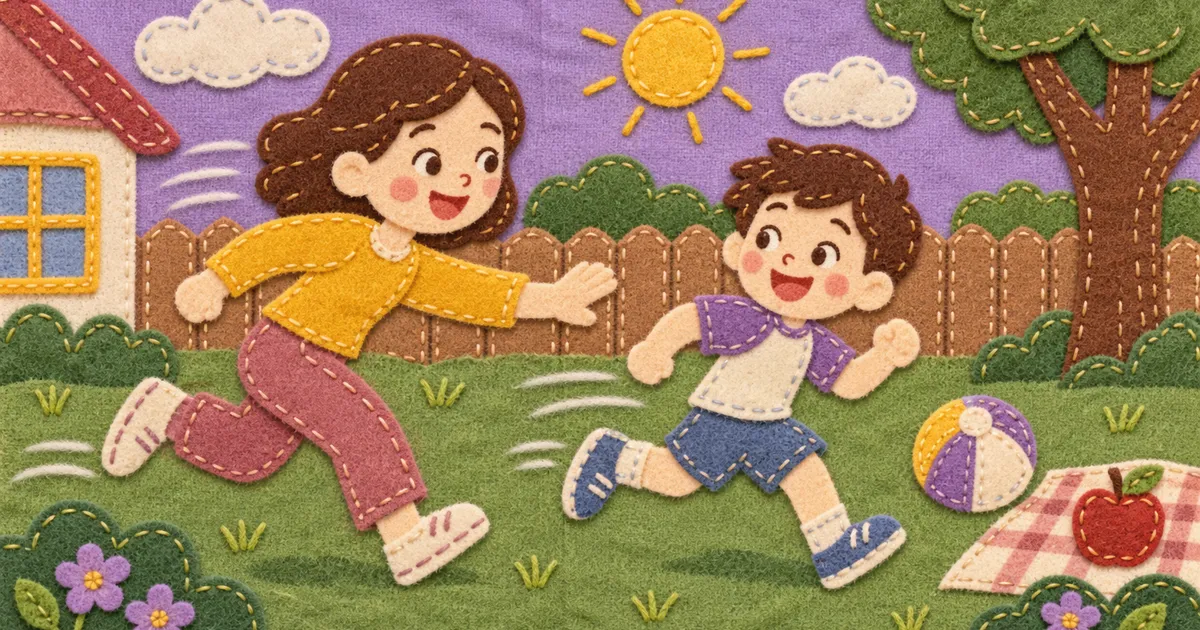
The word “cat” has one syllable; “kitten” has two. One- and Two-Syllable Words for Kids: Examples and Activities helps families hear, sort, say, and use each pattern. Start with familiar objects, actions, and colours, keeping attention on sound. Say each word naturally, then clap, tap, or step per syllable. Practise a small set, build a sentence, and revisit it later.
How to Hear the Difference Between One and Two Syllables
A syllable is a sound unit in a spoken word, usually containing one vowel sound. In “dog,” the voice opens once; “rabbit” has two parts: rab-bit. Written vowels can mislead: “cake” contains two vowel letters but one syllable because the final e is silent.
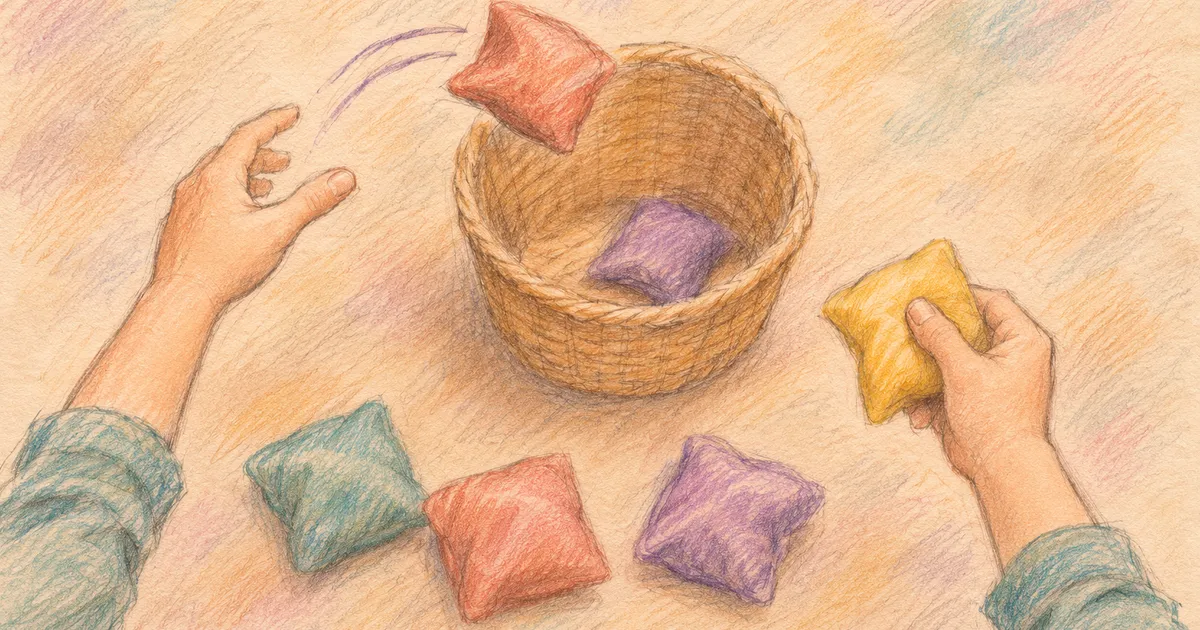
Have your child say the word naturally before slowing down. Mark each syllable with one clap, table tap, finger touch, or step. Never stretch one sound into false parts: the long ssss in “sun” can last, but “sun” remains one syllable.
When using One- and Two-Syllable Words for Kids: Examples and Activities, teach listening before spelling. Sorting “fish” and “window” by ear builds sound patterns for later reading, spelling, and speech.
Core Words Grouped by Syllable Pattern
The examples in One- and Two-Syllable Words for Kids: Examples and Activities use words children can picture or act out. Read each row aloud and mark each syllable. The final row contains compounds: two short words forming one two-syllable word.
Choose words from your child’s life. One family may know “train”; another, “horse” or “football.” Multilingual children may know the object in other languages. Name it first, then examine how the English word divides.
Putting the Words into Context
Sentences make single words memorable. Start with “The red bus stops.” Each of the four words has one syllable. Then mix patterns: “Two rabbits hop,” “My yellow pencil fell,” or “The monkey has a ball.” Ask your child to repeat the sentence and find one target word.
Use a picture, object, or action. Hold up a pencil, say “pencil,” point to its colour, and form “yellow pencil.” Place it by a book: “The yellow pencil is by the book.” The sequence combines syllables, vocabulary, and grammar.
Across LearnLink lessons, our English tutors can adapt the task to each level. A beginner may point and repeat; a confident learner may describe, compare, or tell a short story using the words.
Activities for Different Ages
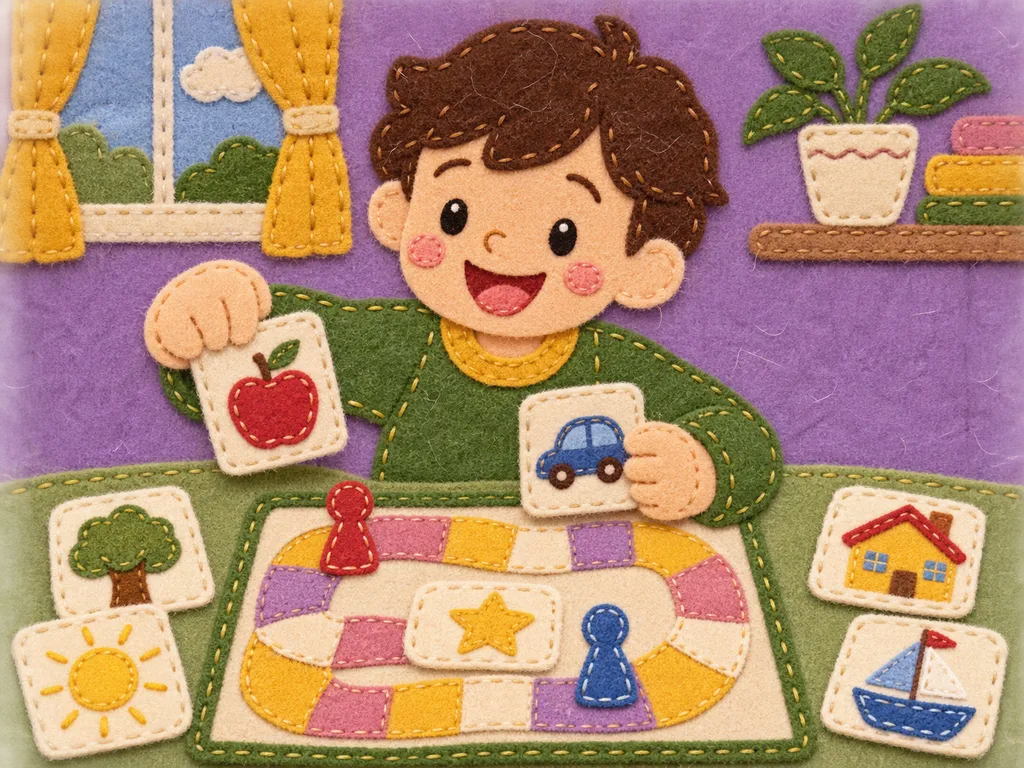
For school-age kids, make syllables physical. Lay picture cards on the floor; jump once for “duck” and twice for “tiger.” Add a toy drum, wooden spoon, or hand taps. Use a small set and stop while interest remains.
For school-age kids, try a sorting race. Label two spaces “one syllable” and “two syllables,” then say or show a word. Your child places it in the correct group and uses it in a phrase, such as “green frog” or “happy rabbit.” One- and Two-Syllable Words for Kids: Examples and Activities should pair accurate listening with meaningful use, not speed.
For school-age kids, connect syllables with word stress and sentence rhythm. Compare “teach” and “teacher,” “play” and “playground,” or “help” and “helpful.” Ask which syllable sounds stronger in each two-syllable word. Older learners can find targets in a book, song title, game menu, or school text and explain their count.
Simple Practice for Home or Class
Use a listen–sort–say routine. Say a word without showing its spelling, let your child sort it by syllable count, then reveal the written word and build a sentence. This sequence prioritises spoken English while connecting sound and print.
Try a Syllable Sorting Challenge
Say these words aloud: sun, rabbit, book, yellow, frog, window, milk, teacher, train, cookie. Put each word into a one-syllable or two-syllable group, then choose one word from each group to make a sentence.
Answers: One syllable: sun, book, frog, milk, train. Two syllables: rabbit, yellow, window, teacher, cookie.
Repeat later with words nearby. In the kitchen: “cup,” “plate,” “spoon,” “apple,” “water.” On a walk: “tree,” “bird,” “flower,” “river,” “sunshine.” If your child sorts a word without understanding it, add a gesture, picture, or sentence before more vocabulary.
Common Mistakes and How to Correct Them
Children may count letters instead of sounds. Contrast one-syllable “cake” with two-syllable “rabbit.” They may split every consonant, turning “frog” into separate parts. Say the word smoothly, then tap once without naming individual letters.
Keep practice separate from accent testing. “Chocolate” and “camera” may have different syllable counts across English varieties. For unclear or variable words, use stable examples: “cat,” “pencil,” “rabbit,” and “sunshine.” Consistency matters more than imposing one accent.
Frequent corrections can obscure the goal. Correct one feature at a time. During syllable counting, accept a sentence with a small grammar error, model its natural form, then return to syllables. Once the pattern is secure, reuse the words for spelling, reading, and sentence building.
- Practice five one-syllable words with children aged six to eight daily.
- Use one picture book to clap syllables before correcting pronunciation mistakes.
- Compare five one- and two-syllable words, stressing each vowel sound clearly.
- Repeat difficult words three times, then ask your child to self-correct.
- Record a thirty-second reading, replay it, and celebrate one accurate correction.
For the rule wording, British Council LearnEnglish Kids is a useful reference while the practice examples here stay adapted for children.
Frequently Asked Questions
What Is the Easiest Way to Explain a Syllable to a Child?
Call a syllable a spoken part inside a word. Say “cat” and clap once, then say “rabbit” and clap twice. Let your child copy before introducing vowel sound or word stress. A hand under the chin can show the mouth opening, but listening and clapping suit a first activity.
Should Children Learn One-syllable Words Before Two-syllable Words?
Begin with one-syllable words because their pattern is easy to hear and copy. Once understood, add distinct two-syllable words in the same session. Contrasting “dog” with “tiger” teaches more than practising either group alone. Familiar words keep attention on pronunciation, not multiple new meanings.
What If Family Members Pronounce a Word Differently?
Pronunciation varies across international families and English accents. Use words speakers agree on and consult a trusted audio dictionary when needed. One- and Two-Syllable Words for Kids: Examples and Activities works best with undisputed examples. Never label a home accent wrong. Explain that English differs across places, then choose one model for the current task.
How Often Should a Child Practise Syllables?
Practise briefly throughout the week instead of using one long drill. Include a small word set, sorting, and one or two sentences. Revisit known words before adding new ones. When your child identifies each syllable and uses the vocabulary independently, add fresh words, word stress, spelling, or reading.
Finish each session with three concrete steps:
- Start with five familiar words and say each one naturally.
- Practice sorting them by syllable count before showing the spelling.
- Try one short sentence with a word from each group.
Start your child's English journey today — book a trial lesson with LearnLink.
Stay updated on our latest tips and resources by following us on Instagram LearnLink.