Opinion Phrases for Kids
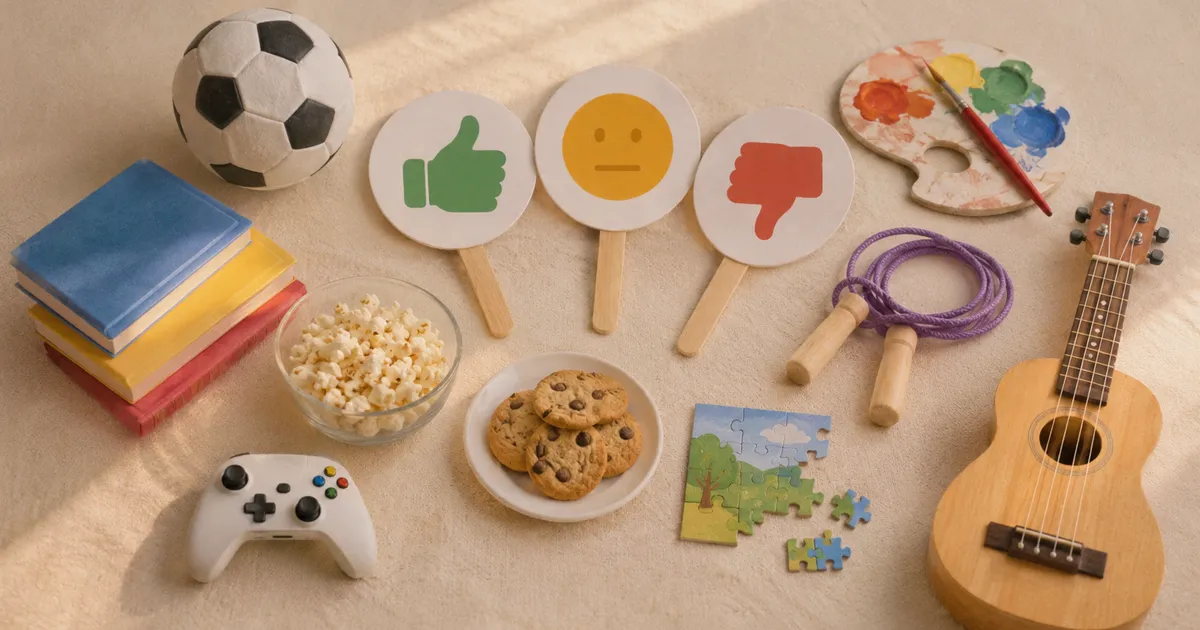
Phrases for Giving Opinions: Words and Activities for Kids gives learners 18 practical frames for stating a view, agreeing, disagreeing, choosing, and giving a reason. Younger children start with “I think” and “I prefer”; older learners add softer forms like “I see your point, but…”. The aim is not a longer answer but helping a child speak clearly, hear another view, and respond with respect. The phrase bank, examples, age-based activities, and practice routines below work at home or in an English lesson.
A Phrase Bank for Clear Opinions
Teach opinion language as complete chunks, not separate words. When using Phrases for Giving Opinions: Words and Activities for Kids, begin with two or three frames that match your child’s level. Add a new phrase only when the earlier ones come easily in conversation.
The table groups 18 phrases by purpose. The examples show how one idea can sound more direct, detailed, or open to discussion.
Children do not need every phrase at once. A beginner may use one frame for a week, then combine it with “because.” An older learner can compare two frames and decide which sounds more tactful.
Putting Opinion Phrases into Context
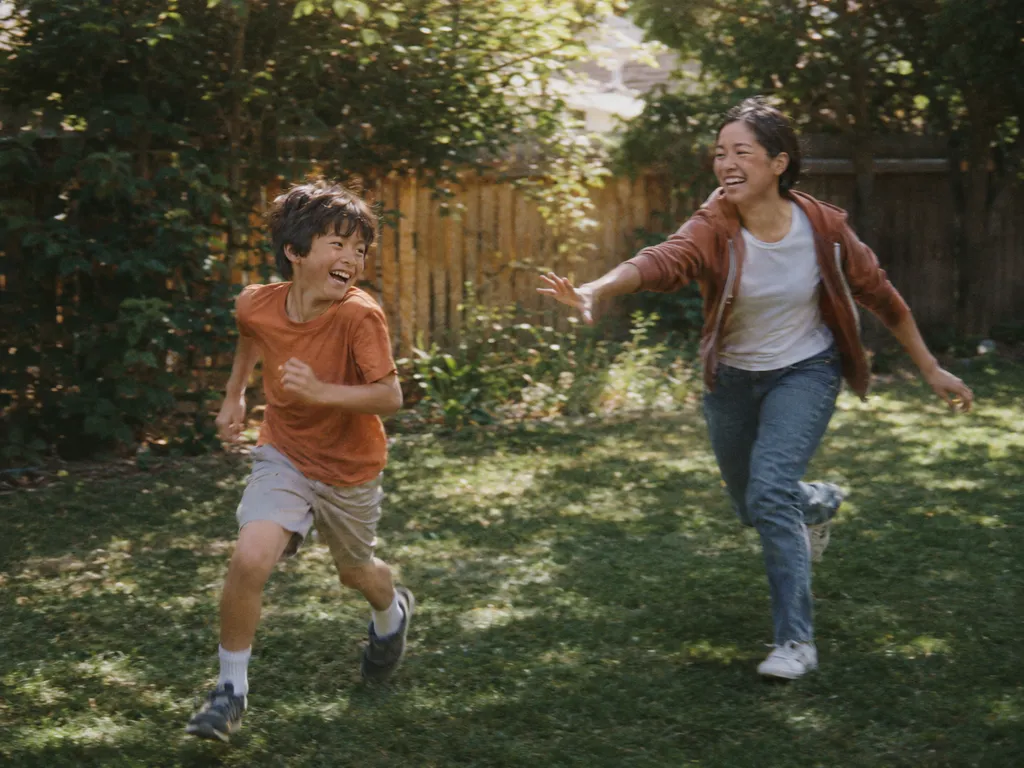
A phrase works when it answers a real question. Ask, “Which playground activity would you choose?” rather than “Make a sentence with ‘prefer.’” A child might answer, “I prefer the climbing frame because I like solving physical challenges.” The reason gives the phrase a purpose.
The examples in Phrases for Giving Opinions: Words and Activities for Kids support discussions about stories, food, clothes, music, animals, travel, or school life. Keep the subject familiar at first. If a child searches for both the idea and the English words, the task becomes too heavy.
Model listening language alongside speaking language. After one child says, “In my view, the fox made a poor choice,” another can reply, “I see your point, but the fox was frightened.” This pattern shows that disagreement concerns an idea, not the person who expressed it.
Activities for Different Ages
For school-age kids, offer two visible choices: pictures, toys, colours, snacks, or story characters. Ask, “Which do you prefer?” and model “I prefer the red one.” Once that frame is secure, add a short reason: “because it is bright.” Keep each turn brief and accept pointing before speech if the child needs thinking time.
For school-age kids, use opinion cards. Write prompts such as “Reading or drawing?”, “Cats or dogs?”, and “Morning or evening?” on small cards. The child chooses one, answers with an opinion phrase, and adds a reason. A second speaker responds with an agreement or disagreement frame before giving a new view.
For school-age kids, try rankings and short debates. Ask the learner to rank three ways to spend a weekend, improve a shared space, or reduce waste at school. The learner defends the top choice, recognises one advantage of another option, and responds to a different view. Across LearnLink lessons, our tutors adjust this task to the learner’s language level and interests.
Short Practice Sessions That Fit Family Life
Keep Phrases for Giving Opinions: Words and Activities for Kids visible during practice. A small card with four frames is enough: “I think…,” “I agree because…,” “I am not sure I agree,” and “I prefer…”. Use the card during a meal choice, a book discussion, or a plan for the next day.
For multilingual children, the idea may come first in another language. Give a few seconds for planning, then help the child shape the answer in English. This keeps the thinking demanding without turning every missing word into a test.
Try the Three-step Opinion Challenge
Choose a simple question, such as “Should children have homework every day?” First, your child states a view. Next, the child gives one reason or example. Finally, you offer a different view, and the child replies with “I see your point” or “I am not sure I agree.” Swap roles for round two.
Two or three rounds are enough for one sitting. Revisit the same frames with a new subject instead of replacing them each day. Familiar language frees the child to focus on the reason’s quality.
Common Mistakes and Useful Corrections
A frequent error is “I am agree.” In English, agree is a verb, so the correct form is “I agree.” Another is “According to me.” Use “In my opinion” for the speaker’s own view; “according to” points to another person or source.
Some children give a phrase but no idea: “I think because it is fun.” Prompt for the missing object: “What do you think?” A full answer would be, “I think the game helps us because it makes us plan.” If reasons stay difficult, offer a choice between two reasons without supplying the whole answer.
Direct disagreement can sound sharper than intended. “You are wrong” closes the exchange, while “I see it differently because…” keeps it open. Correct the form after the child finishes unless the error blocks meaning. In a lively opinion task, fluent participation matters more than stopping every sentence.
- Practice three opinion phrases with children aged six to nine after dinner.
- Use one picture book and correct “I think” sentences gently together.
- Model “I agree because” twice before asking your child to respond.
- Replace blunt “You’re wrong” with one respectful disagreement phrase during play.
- Record a two-minute conversation and praise two clear reasons immediately afterward.
When a word has several meanings or pronunciations, Cambridge Dictionary is a useful check before turning it into child-friendly examples.
Frequently Asked Questions
What Opinion Phrases Should a Beginner Learn First?
Start with “I think…,” “I like…,” “I prefer…,” and “I agree.” Add “because” once your child completes the basic frames without much help. Phrases for Giving Opinions: Words and Activities for Kids includes more choices, but a beginner learns more from using four phrases often than from reading a long list once. Practise them with familiar choices about food, games, books, and daily plans.
How Can I Help a Child Who Says Only “I Like It”?
Ask one focused follow-up: “Why?” or “Which part?” Then offer a frame such as “I like it because…” or “My favourite part is…”. If your child cannot find a reason, give two options: “Is it funny or exciting?” Remove the options later so the child forms an independent answer.
Should I Correct Grammar During an Opinion Activity?
Correct errors that blur meaning, but avoid interrupting every turn. Note one repeated error and review it after the exchange. Repeat the sentence in its correct form without demanding an immediate explanation. For example, if your child says, “I am agree,” reply, “You agree because the idea is fair.” Then continue.
How Long Should Children Practise Opinion Phrases?
A short, focused exchange works better than stretching the task after attention fades. Younger children may complete two or three choices; older learners can discuss one question in greater depth. End after a successful use of the target phrase, then return to it another day. Regular reuse in natural conversation beats one long drill.
Start your child's English journey today — book a trial lesson with LearnLink.
Stay updated on our latest tips and resources by following us on Instagram LearnLink.